

Cafe pricing is a complex balance of location, overhead, labor, ingredient quality, and atmosphere. Market demands influence costs, with higher prices in expensive cities. Key factors include 30-40% food/beverage costs, 25-35% labor, and premium pricing for specialty items. Successful cafe pricing involves market research, flexibility, promotions, and loyalty programs to recover costs while remaining competitive. The cafe experience—ambiance, service, unique offerings—impacts perceived value, justifying higher prices. Quality ingredients, preparation, and immersive experiences enhance customer satisfaction and differentiate the cafe.
In the competitive cafe landscape, understanding pricing strategies and delivering perceived value is paramount for both established establishments and emerging players. Consumers increasingly scrutinize their expenditures, demanding not just quality coffee but also a holistic experience that resonates with their values and expectations. This article delves into the nuanced dynamics of cafe pricing, exploring factors influencing consumer perception of value within this dynamic sector. We provide actionable insights to help cafe owners and managers optimize pricing strategies, foster customer loyalty, and thrive in a crowded marketplace.
- Understanding Cafe Pricing Dynamics: Factors Influencing Cost
- Evaluating Value Beyond the Menu: Experience and Quality Analysis
Understanding Cafe Pricing Dynamics: Factors Influencing Cost

Understanding Cafe Pricing Dynamics: Factors Influencing Cost
Cafe pricing isn’t merely a matter of cost per cup; it’s a complex interplay of various factors unique to each cafe and market. To assess value, one must delve into these dynamics, which can significantly impact customer perception and profitability. Key influencers include location, overhead expenses, labor costs, ingredient quality, and the very essence of what makes a cafe special—its atmosphere and offerings. For instance, a cafe in a high-traffic area might charge slightly higher prices to offset increased rent and utility bills, while a cozy, neighborhood spot could offer competitive rates to attract local patrons.
Consider that, on average, food and beverage costs make up approximately 30-40% of a cafe’s revenue, with labor accounting for another 25-35%. In cities with high living expenses, these percentages can tilt towards the higher end, demanding correspondingly adjusted pricing strategies. Additionally, specialty items or unique recipes may command premium prices to reflect their superior ingredients and preparation time. For example, a craft roastery might charge more for single-origin beans, justifying the price through quality and provenance.
Expert advice suggests striking a balance between covering costs and maintaining competitive pricing. This involves regular market research, understanding customer expectations, and flexing pricing based on demand. Seasonal variations, loyalty programs, and strategic promotions can also help manage revenue streams. For instance, offering discounted happy hour specials or loyalty rewards during slower periods can encourage foot traffic while optimizing sales. Ultimately, a cafe’s value isn’t solely determined by its prices but by the holistic experience it offers, making pricing dynamics an intricate dance between cost management and customer satisfaction.
Evaluating Value Beyond the Menu: Experience and Quality Analysis
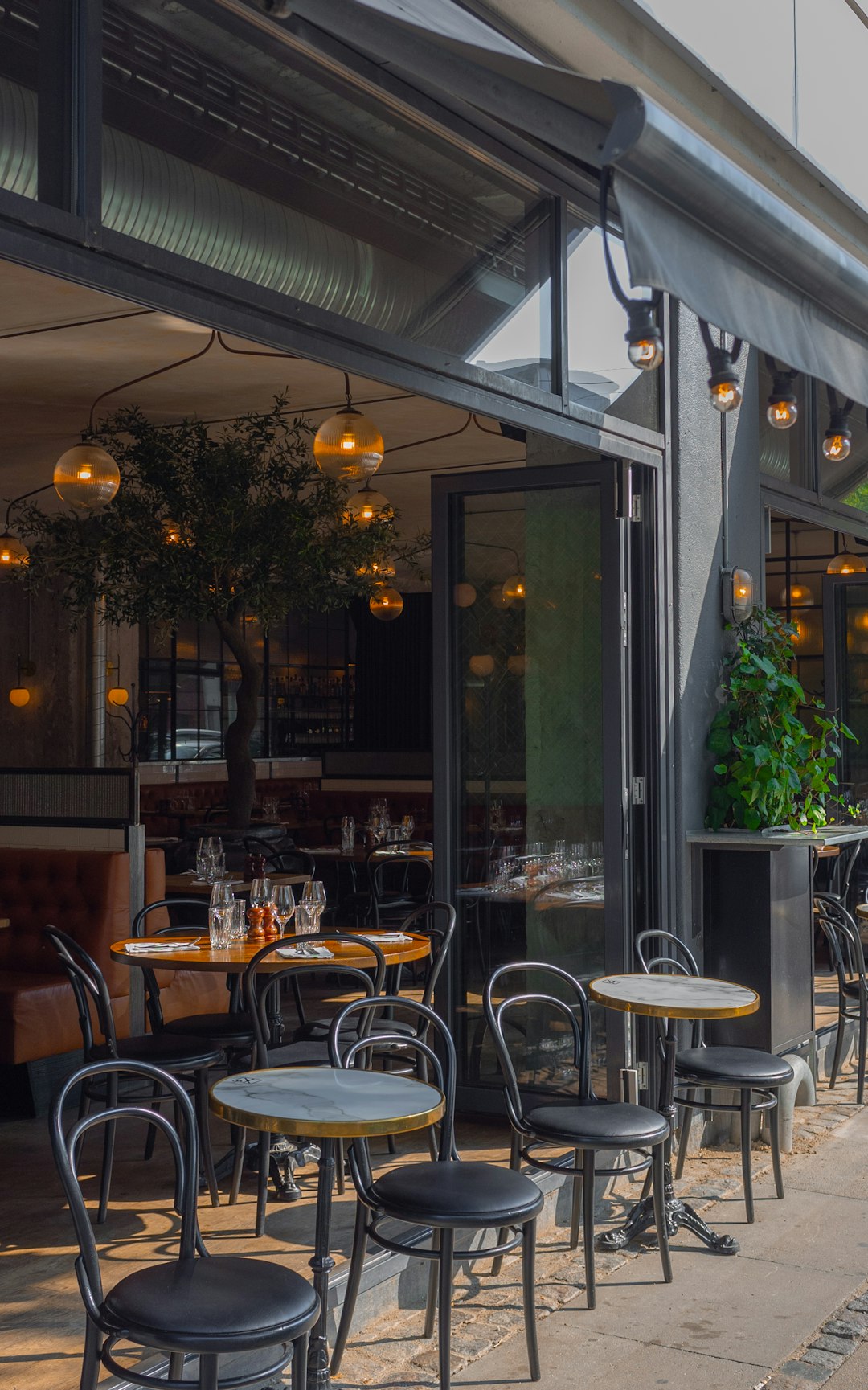
When assessing a cafe’s pricing strategy, going beyond the menu is essential to understanding its value proposition. The cafe experience encompasses more than just the food and beverages served; it involves the overall ambiance, service quality, and unique offerings that create a memorable customer journey. For instance, consider a specialty coffee shop that offers not just premium beans but also an extensive knowledge-sharing program for baristas, fostering an educational environment that enhances the customer’s sensory experience. This added dimension contributes significantly to the cafe’s perceived value.
Quality analysis plays a pivotal role in evaluating a cafe’s sustainability and appeal. High-quality ingredients, carefully curated menus, and consistent preparation techniques not only ensure culinary excellence but also signal to customers that they are receiving exceptional value for their money. For example, a cafe renowned for its artisanal pastries might charge slightly higher prices due to the meticulous craftsmanship involved. Customers, understanding the time and skill required, perceive these prices as fair, appreciating the resulting superior taste and texture.
Furthermore, consistent quality control and attention to detail in all aspects of the cafe operation can significantly impact customer satisfaction and loyalty. For cafes aiming to stand out in a competitive market, offering an immersive experience that caters to the senses and fosters a sense of community can be a powerful differentiator. This could include live music events, cozy seating arrangements, or themed decor that encourages patrons to linger longer, enhancing their overall perception of value beyond food and drink.
By delving into the intricate dynamics of cafe pricing and the factors that shape costs, this article has equipped readers with a comprehensive understanding of what constitutes fair and competitive pricing in the cafe sector. It has highlighted the importance of location, overhead expenses, ingredient costs, and labor as key drivers of cafe pricing, enabling business owners and consumers alike to make informed decisions. Furthermore, by emphasizing the value beyond the menu, the article encourages a holistic evaluation of the cafe experience. This includes assessing ambiance, customer service, and product quality, ensuring that cafes are not only priced fairly but also deliver an exceptional and memorable experience. As a result, this authoritative piece provides valuable insights for cafe owners to optimize pricing strategies while offering practical guidance for consumers to recognize and appreciate the true value of their café encounters.