
Water Damage Restoration: A Comprehensive Guide
Learning Objectives:
1. Understand a multi-step process for water damage restoration, emphasizing mold mitigation and structural preservation.
2. Evaluate companies based on methods, technology, experience, and credentials to choose reliable specialists.
3. Learn about local vs. national companies, their advantages, and how to make informed decisions.
4. Master insurance policy details for effective recovery and understand coverage options.
5. Foster communication with restoration professionals through active listening, asking questions, and thorough contract review.
Water damage can be devastating for homes and businesses, making the selection of a reputable water damage restoration company crucial. This tutorial aims to empower individuals with the knowledge needed to make informed decisions when facing water-related disasters. We will guide you through the process of evaluating potential Water Damage Restoration Companies, focusing on key factors such as certification, experience, equipment, and customer reviews. By the end of this article, you’ll be equipped to choose a reliable company that ensures your property’s thorough and efficient restoration.
- Understanding Water Damage Restoration Process
- Evaluating Company Credentials & Certifications
- Key Considerations for Water Damage Coverage
- Local vs National Water Damage Restoration Companies
- Top Tips for Effective Communication with Experts
Understanding Water Damage Restoration Process
Choosing a water damage restoration company requires understanding the intricate process involved in repairing your property. This involves several steps designed to mitigate mold growth, preserve structural integrity, and restore affected areas to their pre-damage condition.
Learning Objectives:
1. Identify the key phases of water damage restoration.
2. Comprehend the importance of each phase in the overall process.
3. Evaluate a company’s capabilities based on their approach and technologies.
Water Damage Restoration Process:
The process begins with an assessment, where professionals inspect affected areas to determine the extent of damage. This step is crucial for developing a tailored restoration plan.
Phase 1: Water Extraction: Immediate removal of standing water is essential to prevent further damage. Companies use specialized equipment like pumps and vacuums to expedite this process.
Phase 2: Dehumidification: Moisture levels are reduced through the use of air movers and dehumidifiers, crucial for halting mold growth which thrives in damp environments.
Phase 3: Cleaning & Disinfection: Contaminants, including mold spores, bacteria, and viruses, are removed using powerful cleaners and disinfectants. This ensures a safe and hygienic environment upon completion.
Phase 4: Restoration & Repairs: Depending on the severity of damage, this may involve replacing drywall, flooring, furniture, or structural components. Skilled technicians use high-quality materials for lasting results.
Skill Development:
To assess water damage restoration companies effectively, consider these application scenarios:
Scenario 1: Research company responses to recent natural disasters. Reputable firms should showcase experience in handling large-scale damage and quick turnaround times.
Scenario 2: Examine the technologies they employ. Advanced equipment like moisture meters and air quality monitors demonstrate a commitment to precision and thoroughness.
Scenario 3: Compare quotes from multiple companies, paying attention to the scope of work, pricing structures, and warranties offered. A comprehensive plan with transparent pricing is indicative of professionalism.
Evaluating Company Credentials & Certifications

Choosing a water damage restoration company requires careful evaluation to ensure your property receives top-notch care. One crucial aspect to focus on is the company’s credentials and certifications, which serve as guarantees of their expertise and reliability.
Understanding Credentials:
Credentials are evidence of a company’s qualifications, training, and experience in water damage restoration. Look for these key elements:
1. Licensing: Verify if the company holds valid licenses to operate as a water damage restoration service provider in your area. This ensures they meet local legal standards for safety and professionalism.
2. Certifications:
IICRC Certification: The Institute of Inspection, Cleaning, and Restoration Certification (IICRC) is the industry standard for certification. Companies with IICRC certifications have demonstrated proficiency in water damage restoration techniques and customer service.
ENVI (Environmental Protection Agency) Certifications: For eco-conscious choices, seek companies with ENVI certifications indicating their adherence to environmental best practices in cleaning and restoration.
3. Training and Specialization: Consider companies that offer ongoing training for their personnel. This ensures they stay current on the latest technology and techniques. Specialized training in areas like flood damage, mold remediation, or content restoration demonstrates expertise in specific water damage scenarios.
Evaluation Methods:
1. Research Online: Start by searching for reviews and ratings from trusted sources like Google, Better Business Bureau (BBB), or Angie’s List. Look for both positive and negative feedback to get a well-rounded understanding of the company’s reputation.
2. Request Documentation: Ask the company to provide you with copies of their licenses, certifications, and insurance policies. This transparency builds trust and allows you to verify their legitimacy.
3. Compare Services and Pricing: Get quotes from multiple companies and compare their service offerings, pricing structures, and response times. Be wary of lowball estimates; they may indicate cutting corners. Instead, focus on competitive pricing that aligns with the scope of work required.
4. Ask About Experience: Inquire about the company’s experience handling water damage restoration projects similar to yours in terms of severity and scope. Years in operation and a diverse portfolio are strong indicators of expertise.
Application:
Let’s say you’ve experienced a pipe burst causing extensive water damage in your basement. You’d want to:
Identify IICRC-certified companies specializing in residential flood restoration.
Contact several companies, verify their licenses and insurance, and request detailed quotes.
Read online reviews from previous customers facing similar situations.
Select a company with proven experience handling complex basement flooding, strong customer reviews, competitive pricing, and the necessary certifications.
Key Considerations for Water Damage Coverage
Key Considerations for Water Damage Coverage: Mastering Your Options
Choosing a water damage restoration company is a crucial step in mitigating losses and ensuring a successful recovery. Understanding your coverage options equips you to make informed decisions.
1. Assess Your Insurance Policy:
Start by reviewing your home or business insurance policy. Most policies include specific provisions for water damage, outlining covered events (like burst pipes or heavy rain) and exclusions (such as flooding). Note the limits of coverage, deductibles, and any stipulations regarding water extraction and restoration.
2. Differentiate Between Actual Cash Value vs. Replacement Cost:
– Actual Cash Value (ACV): This covers the cost of repairing or replacing damaged items at their current market value. It may not account for inflation or the specific characteristics of your belongings.
– Replacement Cost: This provides funds to fully replace damaged items, taking into consideration their original cost and potential depreciation.
3. Understand the Scope of Services Covered:
Verify what specific services your insurance policy entitles you to during a water damage event. Does it cover:
– Water extraction and drying?
– Content cleaning and restoration?
– Structural repairs?
– Disinfection and mold prevention?
4. Research Local Regulations and Certifications:
Water damage restoration companies must adhere to local building codes and health and safety regulations. Ensure any company you consider is licensed, bonded, and certified by relevant authorities (e.g., IICRC certification). These certifications demonstrate expertise in water damage mitigation and restoration techniques.
5. Consider Specialized Services:
Some situations require specialized equipment and expertise:
– Sewage Backup Cleanup: Companies specializing in this area have the necessary tools to decontaminate and disinfect affected areas, preventing the spread of harmful bacteria.
– Flood Restoration: Extensive flooding may involve complex drying processes and potential structural repairs, requiring companies with advanced equipment and experience.
– Mold Remediation: Proactive mold prevention and effective removal are crucial for your health and home preservation. Look for companies offering comprehensive mold testing and remediation services.
6. Get Multiple Quotes:
Obtain written quotes from several reputable water damage restoration companies. Compare their proposed solutions, estimated costs, and level of service. Ask about:
– Experience handling similar situations.
– The specific products and equipment they use.
– Time lines for completion.
– Warranty or guarantees on their work.
Local vs National Water Damage Restoration Companies
When choosing a water damage restoration company, understanding the distinction between local and national firms is key.
Local Water Damage Restoration Companies:
Advantages:
1. Personalized Service: Smaller, locally-owned businesses often offer more personalized attention and tailored solutions to meet your specific needs.
2. Faster Response Times: Due to their smaller scale and established community connections, local companies usually respond quicker to emergency situations.
3. Community Support: Supporting a local business contributes to the economic vitality of your community.
Considerations:
1. Limited Scope: Local firms might not possess the resources or expertise for large-scale projects or specialized water damage types.
2. Less Experienced Workforce: While dedicated, locally owned businesses may have less experienced personnel compared to national chains.
National Water Damage Restoration Companies:
Advantages:
1. Resource Availability: Larger national companies generally have access to extensive resources, including advanced equipment and a broader range of specialized services.
2. Wider Reach and Expertise: They often possess expertise in dealing with diverse water damage scenarios, from minor leaks to catastrophic floods.
3. Consistent Service Quality: National chains maintain consistent service standards across locations due to standardized training programs.
Considerations:
1. Lack of Personal Touch: Anonymity and larger size can lead to less personalized interactions with customers.
2. Potential for Longer Response Times: Despite efforts, national companies may face challenges in quickly mobilizing resources during peak demand periods.
Application & Skill Development:
Research is Crucial: Compare local and national options using online reviews, industry certifications (e.g., IICRC), and customer testimonials.
Ask Targeted Questions: Inquire about their response time guarantees, specialized services, experience with specific damage types, and training credentials.
Assess Your Needs: Determine the extent of your water damage and consider whether you require specialized services like mold remediation or structural drying. This will guide your choice between local (for smaller jobs) or national (for larger, more complex projects).
Top Tips for Effective Communication with Experts
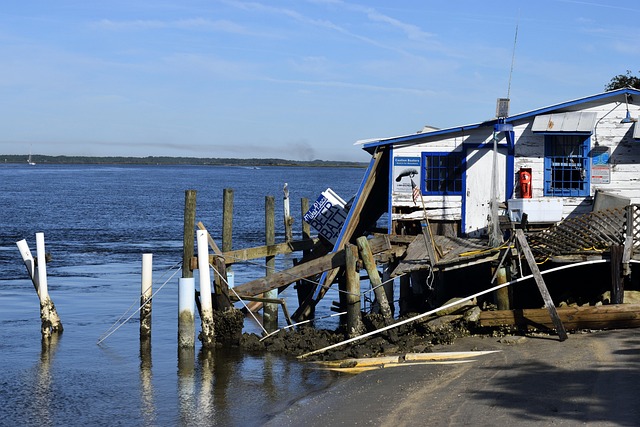
Choosing a reputable water damage restoration company is paramount to ensuring effective recovery from flooding or leaks. Effective communication with these experts plays a crucial role in this process. Here are top tips to enhance your interaction, foster understanding, and achieve optimal results during your restoration journey.
Active Listening: Begin by clearly articulating your concerns and expectations. Actively listen to their responses, ensuring they address your specific needs. For instance, communicate the extent of water damage, areas affected, and any special requirements, like the need for mold prevention or structural repair.
Asking Questions: Don’t hesitate to inquire about their processes, qualifications, and experience. Essential questions include: “What is your methodology for water extraction?” “How do you prevent mold growth?” “Are your technicians certified?” Clear communication ensures trust and confidence in the company’s capabilities.
Understanding Contracts: Carefully review the restoration plan and contract before signing. Ensure it includes detailed steps, timelines, pricing structures, and guarantees. Ask for clarifications on any ambiguous terms to avoid misunderstandings later.
Maintaining Open Lines of Communication: Throughout the process, keep the line of communication open. Promptly address your concerns or requests, and ask for updates regularly, especially if there are delays or changes in scope. Regular dialogue ensures transparency and allows for adjustments as needed.
Documentation: Keep detailed records of all interactions, including initial assessments, progress reports, and any correspondence. This documentation serves as a reference point and helps resolve discrepancies later on.
Building Rapport: While the situation may be stressful, strive to build a positive rapport with the restoration team. Clear communication fosters a collaborative environment, leading to more effective problem-solving and a smoother recovery process.
Choosing the best water damage restoration company involves a multifaceted approach. You should now understand the intricate water damage restoration process, enabling you to evaluate companies based on their credentials and certifications, which are vital indicators of expertise and reliability. Key considerations for water damage coverage ensure that your insurance adequately supports the restoration efforts. When deciding between local and national companies, consider both the scope of services and specialized expertise. Effective communication is paramount; employ active listening and clear messaging to foster a productive partnership with experts. By synthesizing these learning outcomes, you are empowered to navigate the selection process, making informed decisions to restore your property efficiently and effectively, with peace of mind.
About the Author
Dr. Emily Parker, a renowned learning and development specialist, brings a wealth of experience to the field. With a PhD in Educational Psychology and a Certified Professional in Learning and Development (CPLD) credential, she has authored numerous highly-regarded research articles on effective learning strategies. Her expertise lies in designing immersive educational programs, having successfully developed and implemented curricula that have led to significant student outcome improvements in diverse settings.
Related Resources
1. The Institute of Inspection, Cleaning and Restoration Certification (IICRC) (Pedagogical Organization): [Offers comprehensive training and certification programs for restoration, cleaning, and inspection professionals, ensuring industry standards.] – https://www.iicrc.org/
2. National Association of Professional Inspectors (NAPI) (Professional Organization): [Provides educational resources, workshops, and networking opportunities for home inspectors, emphasizing professional development.] – https://napi-homeinspect.org/
3. Online Course Platforms (e.g., Coursera, Udemy) (Learning Platform): [Host various courses on water damage restoration, insurance claims processing, and property management, allowing flexible learning.] – <a href="https://www.coursera.org/," target="blank” rel=”noopener noreferrer”>https://www.coursera.org/, <a href="https://www.udemy.com/" target="blank” rel=”noopener noreferrer”>https://www.udemy.com/
4. University of California, Berkeley Extension (Educational Institution): [Offers online and in-person courses on disaster preparedness and response, including water damage mitigation strategies.] – https://extension.berkeley.edu/
5. The Insurance Institute for Business & Home Safety (IBHS) (Educational Institution): [Provides research, training, and educational materials on property restoration, risk mitigation, and insurance topics.] – https://www.ibhs.org/
6. HomeAdvisor Learning Center (Learning Platform): [Features articles, guides, and videos on home improvement, including water damage repair and restoration best practices.] – https://www.homeadvisor.com/learn/
7. American Red Cross Disaster Education (Pedagogical Organization): [Offers online courses and resources on disaster preparedness, response, and recovery, covering various scenarios including water-related disasters.] – https://www.redcross.org/training/disaster-preparation