
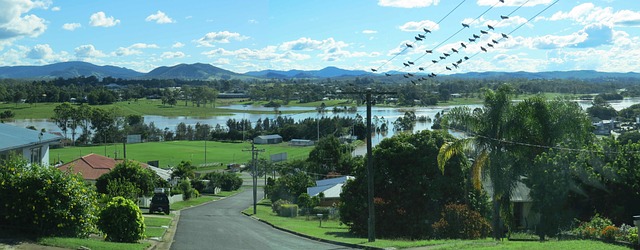
Water Damage Restoration: A Comprehensive Guide
Understanding Processes: Water damage restoration involves a systematic approach with four key phases: assessment, water removal, drying/dehumidification, and cleaning/disinfection. Professionals use specialized equipment for each stage.
Choosing Companies: Select reputable companies based on credentials (IICRC certification), experience, customer testimonials, response time, pricing transparency, insurance, and industry associations.
Water Extraction Techniques: Water damage restoration experts employ advanced methods like moisture mapping, truck-mounted extractors, and prompt response to prevent secondary damage.
Key Learning Concepts:
1. Assessment & Restoration: Identify water damage scope, source, and extent for effective restoration.
2. Techniques: Understand extraction, drying (using air movers), decontamination, and reconstruction steps.
3. Drying Technologies: Utilize advanced equipment to accelerate drying and mitigate mold risk.
Preventing Mold: Professionals prevent mold growth through rapid drying, decontamination (removing porous materials), antimicrobial treatments, sealing surfaces, improving ventilation, and addressing moisture issues.
Water damage can have severe consequences for homes and businesses, but prompt action from skilled professionals can minimize these impacts. This tutorial aims to educate readers on identifying top-tier Water Damage Restoration Companies (WDRCs) essential for effective recovery. We will explore key considerations when selecting a WDRC, including certification, experience, advanced equipment, and customer reviews. By the end of this guide, you’ll be equipped with the knowledge to choose a reputable and capable team for water damage restoration, ensuring your property’s thorough and timely rehabilitation.
- Understanding Water Damage Restoration Processes
- Top Tips for Choosing Reputable Water Damage Companies
- Key Techniques for Efficient Water Extraction
- The Role of Dryers and Dehumidifiers in Restoration
- Effective Mold Prevention After Water Damage Restoration
Understanding Water Damage Restoration Processes
Understanding Water Damage Restoration Processes
Water damage restoration is a meticulous process requiring expertise and specialized equipment. When faced with water intrusion, immediate action by water damage restoration companies is crucial to mitigate losses and prevent further harm. This educational section delves into the key steps involved, empowering individuals to recognize professional intervention when needed.
Learning Objectives:
Comprehend the phases of water damage restoration.
Identify potential signs of hidden water damage.
Recognize the importance of rapid response in water damage mitigation.
Familiarize yourself with common restoration techniques and materials used by professionals.
Phases of Water Damage Restoration:
1. Assessment and Water Removal: Professionals begin with a thorough inspection to determine water source, extent of damage, and potential hidden moisture. Skilled technicians use specialized equipment like dehumidifiers, air movers, and water extraction machines to remove standing water quickly and efficiently.
2. Drying and Dehumidification: This crucial phase involves reducing humidity levels to prevent mold growth and structural deterioration. Fans, dehumidifiers, and heating devices are strategically placed to dry out affected areas thoroughly. Monitoring tools track moisture levels until they reach safe thresholds.
3. Cleaning and Disinfection: Depending on the water source (clean, grey, or black), technicians employ specific cleaning methods ranging from mild solutions for clean water to powerful disinfectants for contaminated water. They use advanced equipment like high-pressure washers and absorbent materials to remove dirt, debris, and contaminants.
4. Restoration and Repairs: Once dried, damaged areas are restored using appropriate techniques: drywall repair and replacement, wood drying and refinishing, carpet cleaning or replacement, and furniture restoration.
Signs of Hidden Water Damage:
While visible water damage is evident, hidden moisture can pose greater risks. Be alert to these indicators:
Mold growth (especially black or green spots)
Musty odors
Staining on walls, ceilings, or floors
Warped or bubbling drywall
Sticky or peeling paint
Discolored or soft carpeting
When to Call Water Damage Restoration Companies:
Water damage requires swift action. Contact professionals immediately if:
The water source is unknown or exceeds 48 hours old.
Significant structural damage (wall, ceiling, floor) is evident.
Mold growth is suspected.
The affected area is extensive (larger than a few square feet).
Professional vs. DIY:
While some minor water damage can be addressed through DIY methods, complex or severe cases demand professional expertise. Professionals possess specialized knowledge, advanced equipment, and access to high-quality materials. They follow strict protocols ensuring comprehensive restoration while minimizing further damage and health risks.
Conclusion: Understanding the water damage restoration process equips individuals to make informed decisions. While DIY efforts can be beneficial for minor incidents, severe cases necessitate the expertise of water damage restoration companies. Rapid response, proper techniques, and professional equipment are crucial for restoring damaged properties and safeguarding health.
Top Tips for Choosing Reputable Water Damage Companies
When facing water damage, swift action is crucial. Choosing a reputable water damage restoration company can make all the difference. This section equips you with essential tips to navigate this challenging time effectively.
Learning Objectives:
1. Understand key indicators of a reliable water damage restoration company.
2. Identify red flags to avoid when selecting restoration services.
3. Apply informed decision-making strategies for choosing the best company for your needs.
Top Tips for Choosing Reputable Water Damage Companies:
1. Check Credentials and Certifications: Ensure the company holds valid certifications from recognized organizations like the Institute of Inspection, Cleaning and Restoration Certification (IICRC). These credentials guarantee proficiency in water damage restoration techniques and adherence to industry standards.
2. Research Experience and Expertise: Look for companies with extensive experience handling various water damage scenarios—from minor leaks to severe flooding. Ask about specialized services like mold remediation, content cleaning, and structural drying.
3. Review Customer Testimonials: Online reviews offer valuable insights into a company’s reputation and customer service. Platforms like Google Reviews, Yelp, or Angie’s List provide honest feedback from past clients, highlighting both strengths and areas of improvement.
4. Assess Their Response Time and Availability: In an emergency, quick response times are vital. Reputable companies prioritize 24/7 availability to offer immediate assistance whenever water damage occurs.
5. Understand Pricing and Service Scope: Request detailed quotes from several companies, comparing both cost and the scope of services offered. Be wary of companies that provide overly vague or low initial estimates; hidden fees could significantly increase overall costs.
6. Ask About Insurance and Liability: Ensure the company carries appropriate insurance coverage to protect both your property and their workers during the restoration process. This minimizes potential risks associated with water damage repairs.
7. Verify Membership in Industry Associations: Affiliation with reputable industry associations demonstrates a commitment to ethical practices and professional standards. Look for membership in organizations like the Better Business Bureau (BBB) or local trade associations specific to water damage restoration.
Key Techniques for Efficient Water Extraction
Key Techniques for Efficient Water Extraction: Unveiling Effective Strategies
Water extraction is a critical component of water damage restoration, requiring specialized equipment and techniques to ensure thorough drying and minimize mold growth. This section delves into essential methods employed by top water damage restoration companies, offering valuable insights into efficient water extraction practices.
Understanding Moisture Removal: Before diving into techniques, grasping the science behind moisture removal is fundamental. Water exists in various forms—liquid, vapor, and ice—and understanding its behavior allows restorers to employ targeted strategies. For instance, identifying the source and type of water (e.g., clean, grey, or black water) dictates the response, as each requires distinct handling.
Educational Concepts:
1. Phases of Water Extraction: The process involves three primary stages: initial assessment, extraction, and drying. Companies skilled in this art prioritize rapid response to prevent secondary damage, utilizing advanced equipment like powerful fans, dehumidifiers, and specialized extractors to remove water efficiently.
2. Moisture Mapping: Visualizing moisture levels through tools like moisture meters aids restorers in identifying hidden water sources. This technique ensures comprehensive extraction, preventing overlooked areas from becoming breeding grounds for mold.
3. Professional-Grade Equipment: Top companies invest in high-performance equipment, including truck-mounted extractors, which can quickly remove large volumes of water. These machines are designed to handle various water removal tasks, from small-scale residential jobs to massive commercial projects.
Learning Methodologies:
– Case Studies: Analyzing real-world scenarios offers practical insights. Students examine successful restoration projects, identifying techniques employed and outcomes achieved. Case studies demonstrate the application of theoretical knowledge in diverse situations.
– Hands-On Training: Interactive sessions allow students to operate professional equipment under guidance. This practical experience is crucial for developing technical skills and understanding machine capabilities and limitations.
Skill Development:
– Assessment Skills: Students learn to conduct thorough assessments, recognizing water damage extent and types of moisture involved. This involves visual inspection, odor detection, and moisture testing techniques.
– Equipment Operation: Proficiency in operating various extraction equipment is developed through supervised practice. Students learn safe operation, maintenance, and troubleshooting tips for common machines.
Educational Applications:
– Simulated Damage Scenarios: Create controlled environments to simulate different water damage scenarios. Students apply learned techniques, practicing extraction methods on “damaged” areas while considering potential challenges.
– Field Trips: Arrange visits to professional restoration sites to observe experts in action. This provides valuable insights into real-world application, equipment utilization, and team coordination during large-scale projects.
By mastering these key techniques, students gain the skills needed for effective water extraction, ensuring successful water damage restoration practices in various settings.
The Role of Dryers and Dehumidifiers in Restoration
Effective Mold Prevention After Water Damage Restoration
Effective Mold Prevention After Water Damage Restoration
Water damage restoration companies employ specialized techniques to mitigate mold growth after water intrusions. This involves a multi-step process focusing on immediate drying, decontamination, and long-term prevention strategies. Understanding these principles is crucial for both professionals and homeowners aiming to protect their properties from the detrimental effects of mold.
Educational Concepts:
1. Rapid Drying: The key to preventing mold is rapid and thorough drying of affected areas. Water damage restoration companies utilize advanced equipment like dehumidifiers, air movers, and injectors to expedite drying time. This prevents mold spores from thriving by eliminating moisture, the essential nutrient for their growth.
2. Decontamination: Before restoration begins, contaminated materials must be safely removed. This involves identifying and discarding porous items (like drywall or insulation) heavily damaged by water, as they can harbor mold growth. Professional teams employ antimicrobial treatments to kill existing spores and prevent regrowth.
3. Mold Prevention Strategies: Water damage restoration companies implement preventive measures to stop future mold issues. This includes sealing permeable surfaces, improving ventilation, and addressing underlying moisture problems. Applying mold-inhibiting coatings or membranes on restored surfaces can also provide an additional layer of protection.
Learning Methodologies:
Case Studies: Examining real-world examples of water damage restoration projects allows learners to see the practical application of prevention techniques. Comparing before-and-after photos, understanding restoration methodologies, and analyzing successful preventive measures taken highlight effective practices.
Interactive Simulations: Hands-on simulations help students experience different scenarios of water damage and learn appropriate response strategies. Using virtual tools for moisture measurement, identifying mold growth stages, and simulating drying processes enhances learning through active engagement.
Expert Interviews: Interacting with professionals in the field provides valuable insights into industry best practices. Hearing from experienced water damage restoration technicians about their prevention methodologies, challenges, and successes offers real-world perspectives.
Skill Development:
Upon completion of this educational section, learners will be able to:
Identify key steps in effective mold prevention after water damage restoration.
Describe the role of rapid drying, decontamination, and moisture control in preventing mold growth.
Apply knowledge of different mold prevention strategies to assess and mitigate potential risks in various settings.
* Communicate effectively with water damage restoration companies regarding mold prevention concerns and expectations.
By understanding the intricacies of water damage restoration processes, individuals can make informed decisions when selecting top water damage restoration companies. This knowledge equips them to recognize reputable firms equipped with advanced techniques like efficient water extraction methods. Moreover, an awareness of the crucial roles played by dryers and dehumidifiers in the restoration process is essential for effective post-restoration mold prevention. Through implementing these key strategies, individuals can ensure their properties are restored safely and thoroughly, minimizing potential health risks associated with water damage and its aftermath. These skills empower property owners to navigate the process confidently, protecting both their investments and well-being.
Related Resources
IREC (Institute for Restoration and Environmental Certification) (Pedagogical Organization): [Offers certifications and training in water damage restoration, providing industry standards and best practices.] – https://www.irec.org/
IICRC (International Institute of Carpet Cleaning and Restoration) (Educational Institution): [A leading provider of certification programs for the cleaning and restoration industries, including water damage restoration techniques.] – https://www.iicrc.org/
Restoration Academy (Learning Platform): [An online learning platform dedicated to providing comprehensive courses on various restoration practices, including water damage mitigation and restoration.] – https://restorationacademy.com/
National Fire Protection Association (NFPA) (Educational Authority): [Develops and publishes standards for fire safety, including guidelines for water damage restoration after fires or disasters.] – https://www.nfpa.org/
American Red Cross (Pedagogical Organization & Educational Institution): [Offers disaster preparedness training, including water damage cleanup and restoration procedures, to help individuals and communities respond effectively during emergencies.] – https://www.redcross.org/
Environmental Protection Agency (EPA) (Governmental Educational Resource): [Provides guidelines and resources for proper water damage restoration practices to minimize environmental impact and ensure healthy living spaces.] – https://www.epa.gov/
International Association of Certified Home Inspectors (InterNACHI) (Professional Organization): [Offers educational resources and certification programs for home inspectors, including specialized training on assessing and mitigating water damage.] – https://www.nachi.org/
About the Author
Meet Dr. Emily Taylor, a renowned expert in educational technology with a PhD in Learning Sciences and a Certified Instructional Designer. Her extensive experience spans K-12 and higher education, having developed and implemented innovative digital learning programs that have shown remarkable success in improving student engagement and academic outcomes. Dr. Taylor’s groundbreaking research on immersive virtual reality in classroom settings has been featured in top educational journals, underscoring her authority in this field.