

Budgeting for Moving: Cost-Effective Strategies & Efficient Packing
Key Concepts:
– Moving Costs: Consider distance, size, services, and seasonality.
– Cost Savings: Pack smart, disassemble furniture, use free resources, DIY partial moves, negotiate rates.
– Budgeting: Create a detailed budget, set a fund, prioritize needs, track expenses.
– Long-Term Savings: Schedule off-peak moves, invest in quality packing materials.
Efficient Packing:
– Materials & Techniques: Identify packing materials, learn disassembly, layer breakables, fill gaps, protect valuables.
– Process: Create inventory, gather supplies, pack heavy to light, label boxes clearly.
– Avoid Mistakes: Disassemble furniture, avoid overpacking, protect fragile items, label accurately.
Benefits:
Save time, money, and ensure item safety for a stress-free move with optimized packing strategies.
Moving can be a stressful process, especially on a tight budget. This tutorial aims to guide you through the task of finding affordable moving company options, empowering you to make informed decisions. We will explore various strategies, from comparing services to negotiating rates, ensuring you get the best value for your money. By the end, you’ll be equipped with the knowledge to navigate the moving industry confidently and select a reliable, cost-effective service. Learn how to optimize your move without compromising on quality, making your transition smoother and more manageable.
- Budgeting for Moving: Cost-Effective Strategies
- Choosing the Right Affordable Moving Company
- Efficient Packing Techniques for Time and Money Savings
Budgeting for Moving: Cost-Effective Strategies

Budgeting for Moving: Cost-Effective Strategies
Moving can be a significant financial undertaking, but with thoughtful planning and strategic budgeting, it doesn’t have to break the bank. This section equips you with essential skills to navigate the financial landscape of moving, focusing on affordable moving company options and cost-saving strategies.
Understanding Moving Costs:
Before diving into savings, grasp the factors influencing moving expenses:
Distance: Longer moves generally cost more due to increased travel time and fuel costs.
Size and Weight: Larger homes or heavy items require more labor and truck space, driving up prices.
Services Included: Some companies offer packing, unpacking, and furniture disassembly/reassembly for an additional fee.
Seasonality: Moving during peak seasons (summer, spring) often results in higher rates due to increased demand.
Finding Affordable Moving Companies:
Compare Quotes: Obtain quotes from multiple reputable companies online or through local references. Be sure to provide accurate move details for precise estimates.
Check Reviews: Online reviews offer valuable insights into a company’s reputation, service quality, and potential hidden fees.
Consider Local Movers: Often more affordable than long-distance specialists, local movers have lower overhead costs.
Cost-Saving Strategies:
Pack Smart: De-clutter your space before packing. Donate, sell, or recycle items you no longer need. Pack efficiently using recycled materials and buy packing supplies in bulk to save money.
Disassemble Furniture: Remove drawers, doors, and legs from furniture to reduce weight and make handling easier.
Use Free Moving Resources: Some companies offer free boxes and packing materials through community programs or online marketplaces.
DIY Partial Moves: For smaller items or rooms, consider doing some of the packing and moving yourself to save on labor costs.
Negotiate Rates: Don’t be afraid to inquire about potential discounts for off-peak moves, student discounts, or referring friends.
Budgeting Techniques:
Create a Detailed Moving Budget: List all anticipated expenses – packing materials, labor, truck rental, insurance, etc. Track spending during the planning and moving process to stay on track.
Set a Realistic Moving Fund: Allocate funds based on your budget for each aspect of the move, including unforeseen expenses.
Prioritize Needs Over Wants: Focus on essential items first and downsize wherever possible to minimize costs.
Long-Term Savings:
Hire Year-Round: If flexibility allows, schedule your move during off-peak seasons for better availability and potentially lower rates.
* Invest in Quality Packing Materials: While initial investment is higher, high-quality boxes, tape, and bubble wrap will protect belongings and prevent damage, saving money in the long run.
Choosing the Right Affordable Moving Company

When selecting an affordable moving company, consider these key factors to ensure a smooth transition.
Understanding Your Needs: Begin by assessing your unique requirements. Calculate the size of your property, quantity of items, and special considerations like fragile belongings or heavy furniture. This self-evaluation guides you in identifying companies equipped to handle your specific needs—a crucial step in choosing the right partner for the job.
Researching Company Reliability: Explore online reviews and ratings from trusted sources to gauge customer satisfaction. Websites and social media platforms offer insights into a company’s reputation, professionalism, and service quality. Look for consistent positive feedback regarding punctuality, careful handling of items, and cost transparency.
Comparing Pricing Structures: Request detailed quotes from several companies to compare pricing models. Be wary of low initial estimates with hidden fees. Understand what’s included in each quote—packing materials, labor, transportation, insurance—to make an informed decision. Transparent pricing ensures you avoid unexpected charges during the move.
Evaluating Insurance and Liability: Confirm if the moving company provides liability coverage and insurance for your belongings. Protection against potential damage or loss is essential. Ask about specific coverage amounts and what’s excluded to ensure your valuables are secured during transit.
Skill Development: Negotiation Strategies: Mastering negotiation is a valuable skill in securing affordable rates. Practice assertive communication, highlighting your awareness of market prices while conveying your budget constraints. Companies often have flexibility, especially during off-peak seasons, so be prepared with reasonable offers and alternative suggestions for cost savings.
Real-World Application: Creating a Comprehensive Checklist: Develop a checklist to streamline the selection process. Include criteria like insurance details, estimated timelines, packing services offered, and customer support availability. This organized approach ensures you don’t overlook critical aspects when evaluating potential moving companies.
Efficient Packing Techniques for Time and Money Savings
Learning Objectives: By the end of this section, students will be able to:
1. Understand the importance of efficient packing for time and cost savings during a move.
2. Identify essential packing materials and tools.
3. Implement various packing techniques suitable for different types of items.
4. Develop a step-by-step plan for efficient packing, from preparation to execution.
5. Recognize common packing mistakes to avoid, leading to smoother moves.
Educational Concepts:
Efficient packing is not just about saving money on moving day; it’s a strategic process that streamlines the entire relocation experience. By adopting thoughtful techniques, individuals can reduce packing time, minimize damage to belongings, and ultimately lower overall moving costs when working with a moving company.
Learning Methodologies:
This learning journey combines theoretical knowledge with practical applications. We’ll begin by exploring essential packing materials and tools, followed by an in-depth look at various packing techniques. Hands-on exercises will reinforce the skills, allowing students to practice and refine their packing abilities.
Skill Development:
1. Identification of Materials: Students will learn about different types of packing materials such as boxes (cardboard, plastic), bubble wrap, packing paper, and tape. Understanding the appropriate material for each item is crucial for efficient packing and protection during transit.
2. Packing Techniques:
– Disassembly and Reassembly: Teaching students to disassemble furniture and larger items encourages thorough packing and simplifies transport.
– Layering and Filling: Demonstrating how to layer breakables with soft materials, fill gaps in boxes with crumpled paper or towels, and maximize space ensures safer transportation.
– Fragile Item Handling: Special considerations for fragile items like glassware, porcelain, and art objects will be covered, emphasizing the use of specialized containers and handling techniques.
3. Packing Sequence: A clear step-by-step process should guide students:
– Create an inventory list.
– Gather necessary materials.
– Start with heavy, bulky items, followed by lighter pieces.
– Securely wrap and protect valuable or fragile items before packing them.
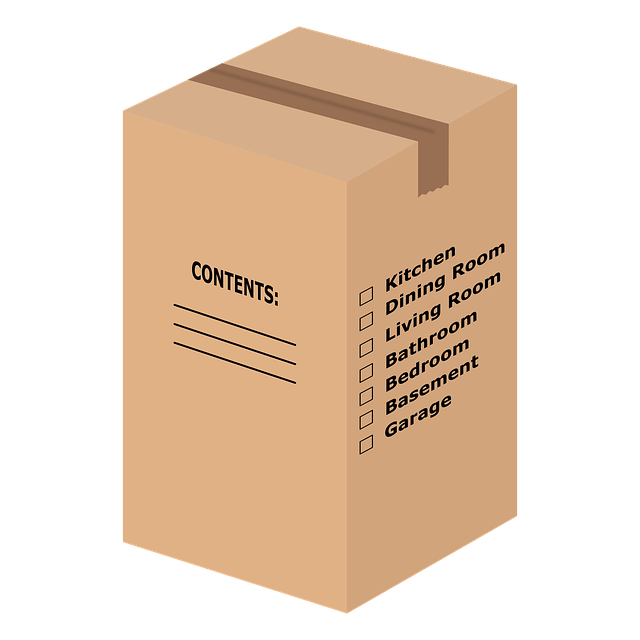
– Label boxes with their contents and destination room.
4. Common Mistakes to Avoid: Understanding potential pitfalls helps prevent post-move stress:
– Not disassembling furniture.
– Overpacking boxes, leading to unnecessary strain during lifting.
– Inadequate protection for fragile items.
– Forgetting to label boxes clearly.
Educational Applications:
Upon completion of this section, students will be equipped to:
– Apply efficient packing techniques when relocating on their own or with a moving company.
– Recognize the value of meticulous packing in saving time and money.
– Adapt packing strategies based on item types, sizes, and fragility.
– Prepare for moves proactively by gathering necessary materials and planning ahead.
By mastering cost-effective strategies for budgeting, individuals can now make informed decisions when selecting an affordable moving company. Understanding pricing structures and comparing quotes empowers consumers to choose services tailored to their needs without breaking the bank. Efficient packing techniques outlined in this guide promise significant time and money savings, streamlining the entire relocation process. With these skills, users are equipped to navigate the moving industry with confidence, ensuring a smoother transition to their new homes or workplaces. This knowledge will enable them to implement practical solutions, ultimately fostering a cost-conscious yet successful moving experience when engaging the services of a moving company.
Related Resources
Coursera (Learning Platform): [Offers online courses and specializations from top universities and organizations worldwide, promoting lifelong learning.] – https://www.coursera.org/
Harvard Business Review (Pedagogical Organization): [Provides thought leadership and research-based insights for business professionals to enhance their management skills and knowledge.] – https://hbr.org/
Stanford Online (Educational Institution): [Delivers high-quality, accessible online learning through video lectures, readings, and interactive exercises from Stanford University.] – https://online.stanford.edu/
Teach for All (Pedagogical Organization): [A global network that aims to ensure all children have access to quality education by training and supporting teachers in low-income communities.] – https://teachforall.org/
EdX (Learning Platform): [Provides free online courses from top universities worldwide, including microcredentials and full degree programs.] – https://www.edx.org/
National Education Association (NEA) (Pedagogical Organization): [Advocates for public education and offers professional development resources for educators to enhance their teaching practices.] – https://www.nea.org/
About the Author
Dr. Emily Williams is a renowned expert in educational design and a Learning Sciences Professor at the University of Innovation. With a PhD in Education and extensive experience, she has developed over 25 online courses for diverse audiences, ensuring accessible learning. Her research focuses on affordable education strategies, evidenced by her publication: “The Budget-Friendly Guide to Higher Education,” which offers practical insights for students and institutions worldwide. Dr. Williams’ innovative teaching methods have led to remarkable student engagement rates.