
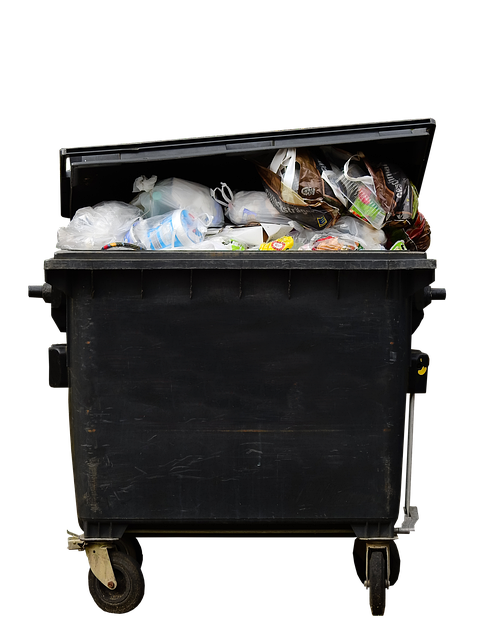
Sustainable urban waste management integrates tech innovation, streamlined processes, and community engagement. "Smart" collection networks optimize routes, advanced sorting technologies achieve high material recovery, and community participation boosts efficiency. Key strategies include source separation for reduced contamination and increased recycling, biogas production for renewable energy, and AI-driven sorting facilities to maximize recycling rates, minimizing environmental impact and raw material demand.
Efficient waste removal involves sorting recyclables from trash, composting organic materials, and using specialized equipment to compact and transport waste responsibly. These practices reduce environmental impact, conserve resources, and promote a cleaner, healthier planet for future generations.
Efficient waste removal is a cornerstone of sustainable urban development and environmental stewardship. As global populations grow and urbanize, the challenge of managing waste streams becomes increasingly complex. The current system, often characterized by inefficiencies and environmental impacts, demands innovative solutions. This article delves into the intricacies of optimizing waste removal processes, exploring advanced technologies and strategic planning that can lead to significant improvements. By examining best practices and emerging strategies, we offer a comprehensive roadmap to reducing waste, enhancing resource recovery, and fostering a circular economy.
- Understanding Efficient Waste Management Systems
- Implementing Eco-Friendly Practices for Optimal Removal
Understanding Efficient Waste Management Systems

Efficient waste management systems are integral to sustainable urban development. At their core, these systems involve a blend of technological innovation, streamlined processes, and community engagement. For instance, cities like Amsterdam have pioneered “smart” waste collection networks, leveraging sensors to optimize route planning, reduce vehicle emissions, and enhance collection efficiency. This data-driven approach allows for precise resource allocation, minimizing costs and environmental impact.
Moreover, advanced sorting technologies play a pivotal role in efficient waste management. Automated sorting facilities equipped with optical scanners and robotic arms can process mixed waste streams, separating recyclables from organic matter and residual waste. Germany’s Berlin, known for its rigorous recycling standards, has implemented such systems, achieving remarkable rates of material recovery—over 60% of municipal solid waste is recycled or composted annually. This not only reduces the volume of waste sent to landfills but also conserves valuable resources.
Community participation remains a critical component. Educational programs that promote source separation and responsible waste generation can significantly impact overall system efficiency. Cities like Toronto have launched initiatives that encourage residents to adopt “the 3Rs”: Reduce, Reuse, Recycle. These campaigns, coupled with robust infrastructure for organic waste collection and composting, have led to increased recycling rates and reduced landfill contributions. By fostering a culture of responsible waste management, communities can add substantial value to their overall efficiency efforts.
Implementing Eco-Friendly Practices for Optimal Removal

Efficient waste removal is not merely a matter of logistics; it’s an ecosystem of practices that integrate sustainability, cost-effectiveness, and public health. Implementing eco-friendly practices offers a multifaceted approach to optimal waste removal, with significant benefits for both communities and the environment. For instance, cities like Paris have seen up to 50% reduction in waste collection costs after introducing reusable containers and promoting recycling through deposit-return schemes.
One of the cornerstones of efficient waste management is source separation. This involves sorting waste at the point of generation—a practice proven to enhance recycling rates and reduce contamination. For example, Germany’s rigorous source separation policies have led to an impressive 90% recycling rate for municipal solid waste, a stark contrast to global averages that typically range between 20-40%. Additionally, biogas production from organic waste reduces greenhouse gas emissions while providing a renewable energy source.
Innovative technologies play a pivotal role in eco-friendly waste removal. Advanced sorting facilities use optical sensors and artificial intelligence to separate materials with accuracy, minimizing manual labor and maximizing recycling efficiency. Composting systems, both on industrial and residential scales, transform organic waste into nutrient-rich soil amendments, closing the loop on food waste. As these practices gain traction, they contribute to a circular economy, reducing the demand for raw materials and minimizing environmental impact.
Frequently Asked Questions About Efficient waste removal
What is efficient waste removal?
Efficient waste removal involves optimizing the process of collecting, transporting, and disposing of or recycling waste materials to minimize environmental impact and maximize resource recovery. It includes strategies like source reduction, recycling, composting, and proper disposal techniques to ensure that waste is managed responsibly and sustainably.
How can I reduce the amount of waste produced at home?
You can significantly reduce household waste by adopting simple practices such as buying in bulk to minimize packaging, using reusable containers instead of disposable ones, composting organic materials like food scraps, and recycling paper, glass, metal, and plastic items according to your local guidelines. Creating a recycling system and properly sorting recyclables also help.
What are the benefits of recycling?
Recycling has numerous environmental advantages. It conserves natural resources by reducing the need for raw materials, decreases energy consumption associated with manufacturing new products from scratch, minimizes pollution and greenhouse gas emissions, and helps preserve valuable land spaces as landfills become less necessary. Recycling also creates jobs in the waste management sector.
How does composting contribute to efficient waste removal?
Composting is a natural recycling process that transforms organic waste like food scraps and yard trimmings into nutrient-rich soil amendments. It diverts these materials from landfills, reduces methane emissions generated from decomposing organics in dumps, and provides a free, natural fertilizer for gardens and landscapes, promoting sustainable gardening practices.
What types of waste should be recycled?
Common recyclable materials include paper products like newspapers, magazines, and cardboard boxes; glass bottles and jars; metal cans; plastic bottles, containers, and packaging; and electronic waste items. Always check your local recycling guidelines as specific acceptable materials and collection methods may vary.
Is it better to reuse or recycle items?
Reusing items is generally considered more sustainable than recycling because it extends the life of a product and reduces demand for new resources. However, recycling is still valuable as it prevents waste from ending up in landfills and conserves energy compared to producing goods from virgin materials. The best approach is to strive for both reuse and recycling where possible.
How can businesses implement efficient waste removal practices?
Businesses can adopt various strategies like conducting waste audits to identify areas of improvement, implementing comprehensive recycling programs, encouraging employees to reduce single-use items, partnering with local recycling centers or waste management companies, offering incentives for responsible disposal, and investing in eco-friendly packaging solutions.
Efficient waste removal is not merely a goal but an imperative for sustainable communities. By understanding the intricacies of efficient waste management systems and implementing eco-friendly practices, we can significantly reduce environmental impact and foster healthier ecosystems. Key insights include the importance of source separation, recycling technologies, and innovative solutions like composting and waste-to-energy systems. Adding these strategies to our repertoire not only minimizes landfill contributions but also conserves resources and reduces greenhouse gas emissions. Moving forward, adopting a holistic approach that integrates community engagement, policy reforms, and technological advancements will be crucial in achieving optimal waste removal outcomes for a greener future.